Future Development Trends and Technological Innovation of PLC and AI Integration
The industrial automation field is undergoing unprecedented technological transformation, with the deep integration of Programmable Logic Controllers (PLC) and Artificial Intelligence (AI) reshaping the development landscape of the entire industry. This technological integration not only enhances production efficiency but fundamentally changes the operational mode of traditional control systems.
Breakthrough Progress at the Technical Level
In terms of dynamic control optimization, AI empowers PLCs with the ability to adjust parameters in real-time. Through deep reinforcement learning algorithms, modern PLC systems can complete control parameter optimization within millisecond-level cycles, significantly improving equipment operation precision. For example, in the automotive manufacturing field, this technology increases mixed-line production efficiency by over 30%.
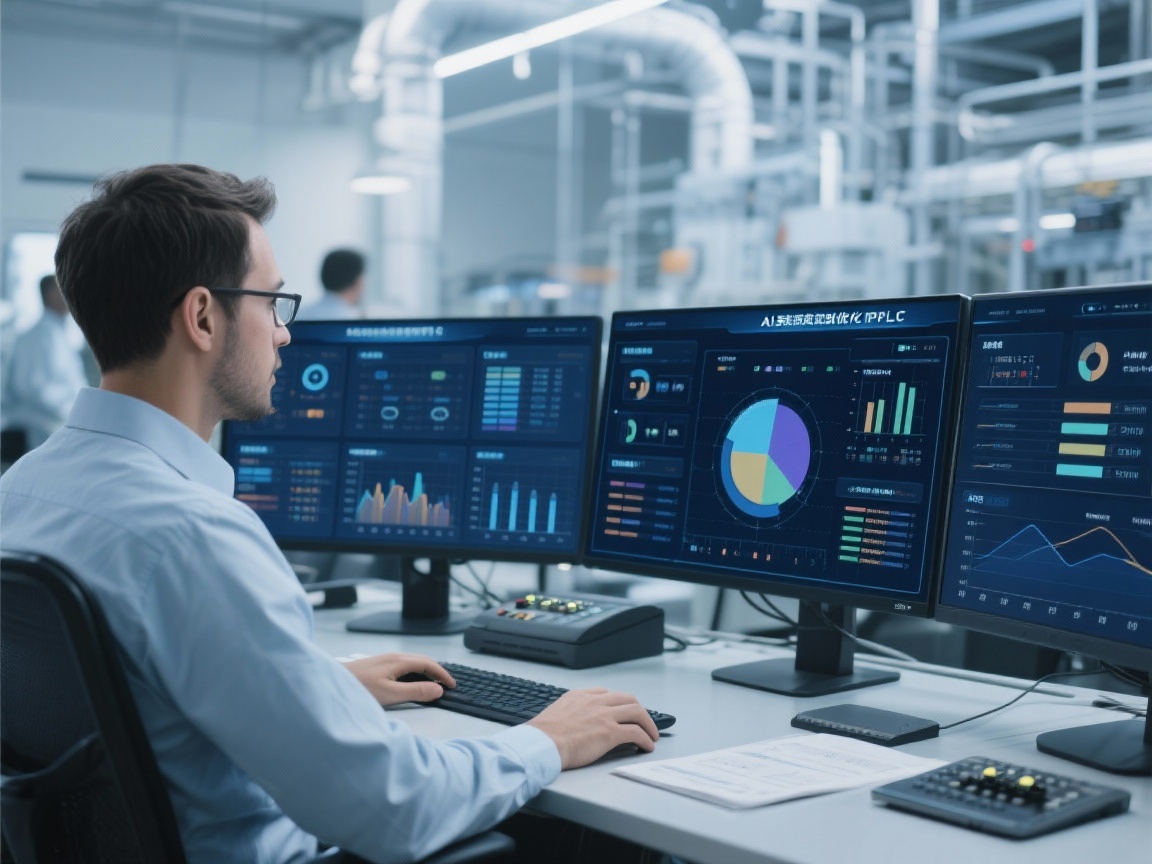
Predictive maintenance represents another important breakthrough. Based on multimodal data analysis, AI can predict equipment failures 72 hours in advance with accuracy rates reaching 92%. This transformation reduces factory unplanned downtime by 70%, significantly lowering maintenance costs. In the chemical industry, this technology has successfully prevented multiple major production accidents.
Intelligent Upgrade of Production Operations
- Production efficiency improvement: AI coordinates material, equipment and quality inspection processes, reducing production line idle rate by 65%
- Energy cost reduction: Dynamic energy consumption models reduce steel electricity consumption per ton by 18%, saving over 100 million yuan annually
- Quality control optimization: Visual inspection systems reduce weld defect detection error rate to 0.5%, improving efficiency by 5 times
Future Development Trends
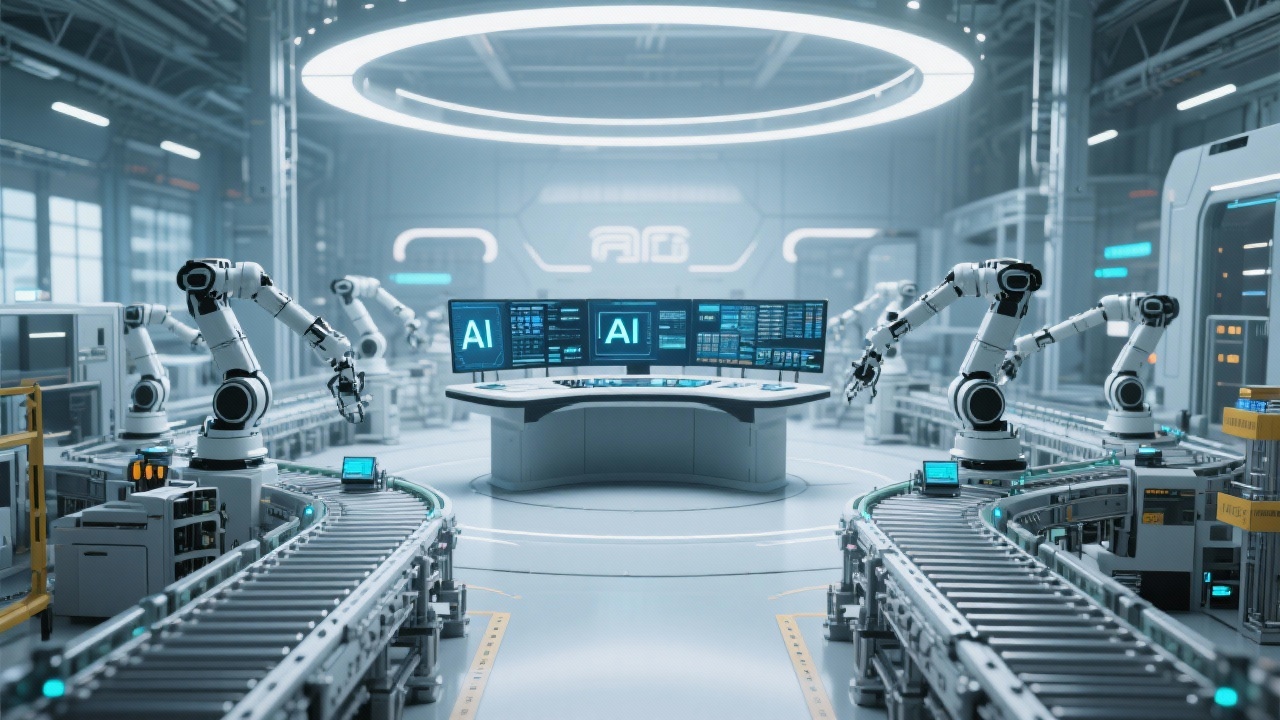
The integration of edge computing and PLC will further strengthen, enabling faster local data processing. Digital twin technology will change debugging methods, achieving "what you see is what you get" virtual debugging. Natural language programming will shorten development cycles by 45%, significantly lowering technical barriers.
With technological development, the market share of AI-enabled PLCs is expected to reach 35% by 2026. This transformation not only requires equipment upgrades but also demands engineers to master new skills such as data analysis and model deployment, realizing the transition from traditional programming to intelligent system design.