2026 Variable Frequency Drive Technology Frontier Analysis: Wide-Bandgap Semiconductors, AI Algorithms, and System Integration
Variable frequency drives (VFDs), as the core equipment for motor speed control and energy management, are undergoing a profound technological transformation driven by "dual carbon" goals and data-driven smart manufacturing. As we move into 2026, their development has surpassed simple energy-saving speed regulation, evolving towards higher efficiency, stronger intelligence, and deeper system integration.
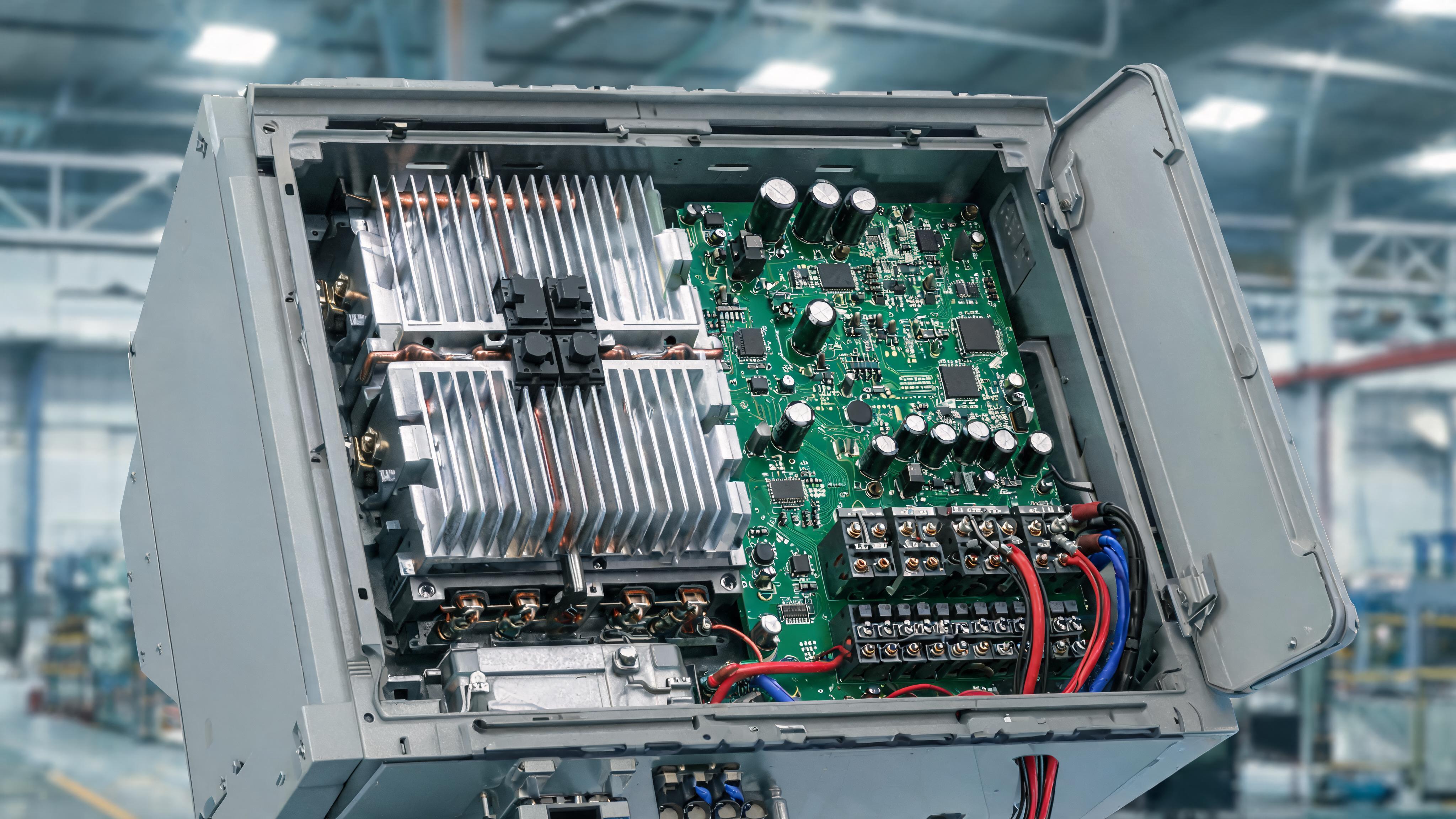
I. Core Hardware Technology: The Widespread Application of Wide-Bandgap Semiconductors
Upgrading power components is the foundation for enhancing VFD performance. Third-generation wide-bandgap semiconductor materials, represented by silicon carbide (SiC) and gallium nitride (GaN), are accelerating their commercialization.
- Dual Improvement in Efficiency and Density: Compared to traditional silicon-based IGBTs, SiC components can significantly reduce switching losses, increasing overall VFD efficiency by 2-3 percentage points, potentially exceeding 99%. Simultaneously, they allow for higher operating frequencies, helping to reduce equipment volume by approximately 30% and achieve higher power density.
- Adaptation to Harsh Environments: These materials exhibit superior performance in high-temperature, high-frequency scenarios, enabling VFD applications in extreme environments like new energy, aerospace, and deep-sea equipment.
II. Control Algorithm Evolution: Artificial Intelligence and Adaptive Control
Control technology is transitioning from reliance on fixed-model digital control to data-driven intelligent control.
- Neural Networks and Fuzzy Control: By integrating AI algorithms, next-generation VFDs can learn load characteristics and operating condition changes in real-time, dynamically adjusting control parameters. This adaptive capability addresses the limitations of traditional PID control in complex, non-linear systems, improving dynamic response speed by over 30% and achieving control precision up to ±0.01%.
- Predictive Maintenance: Built-in AI algorithms analyze real-time data such as current, voltage, and vibration, enabling early warnings for potential faults like bearing wear and insulation aging. This shifts maintenance from reactive to proactive, significantly reducing downtime risks and operational costs.

III. System Architecture Integration: Drive-Control Integration and Industrial IoT
The role of the VFD is shifting from a standalone device to an intelligent node in the Industrial IoT.
- Drive-Control Integration: The boundaries between VFDs, motors, sensors, and Programmable Logic Controllers (PLCs) are blurring, merging into compact intelligent units that integrate drive, control, and sensing. This architecture simplifies system layout and improves response speed and reliability.
- Edge Computing Integration: Many advanced VFDs now incorporate built-in edge computing modules, enabling real-time data processing at the device level, executing localized control decisions, reducing data processing latency to the millisecond level, and alleviating the burden on upper-level systems.
- Seamless Network Connectivity: Support for mainstream industrial Ethernet protocols like EtherCAT, Profinet, and Modbus TCP, as well as 5G communication, allows VFDs to easily integrate with factory-level monitoring systems and cloud platforms, enabling remote monitoring, parameter optimization, and collaborative energy management.
IV. Design Concept Innovation: Modularization and Digital Twins
- Modular Design: The use of standardized, building-block power and control modules allows users to flexibly configure and rapidly expand based on needs, greatly shortening custom product delivery cycles and reducing maintenance complexity and spare parts inventory costs.
- Digital Twin Technology Application: Constructing a digital twin of the motor-VFD system in virtual space can be used for virtual commissioning of new equipment, simulation-based optimization of control strategies, and operational life prediction. This enables problem identification before physical deployment, shortens project cycles, and facilitates more precise full lifecycle management.
V. Expansion of Frontier Application Scenarios
The latest technologies are opening up entirely new application boundaries:
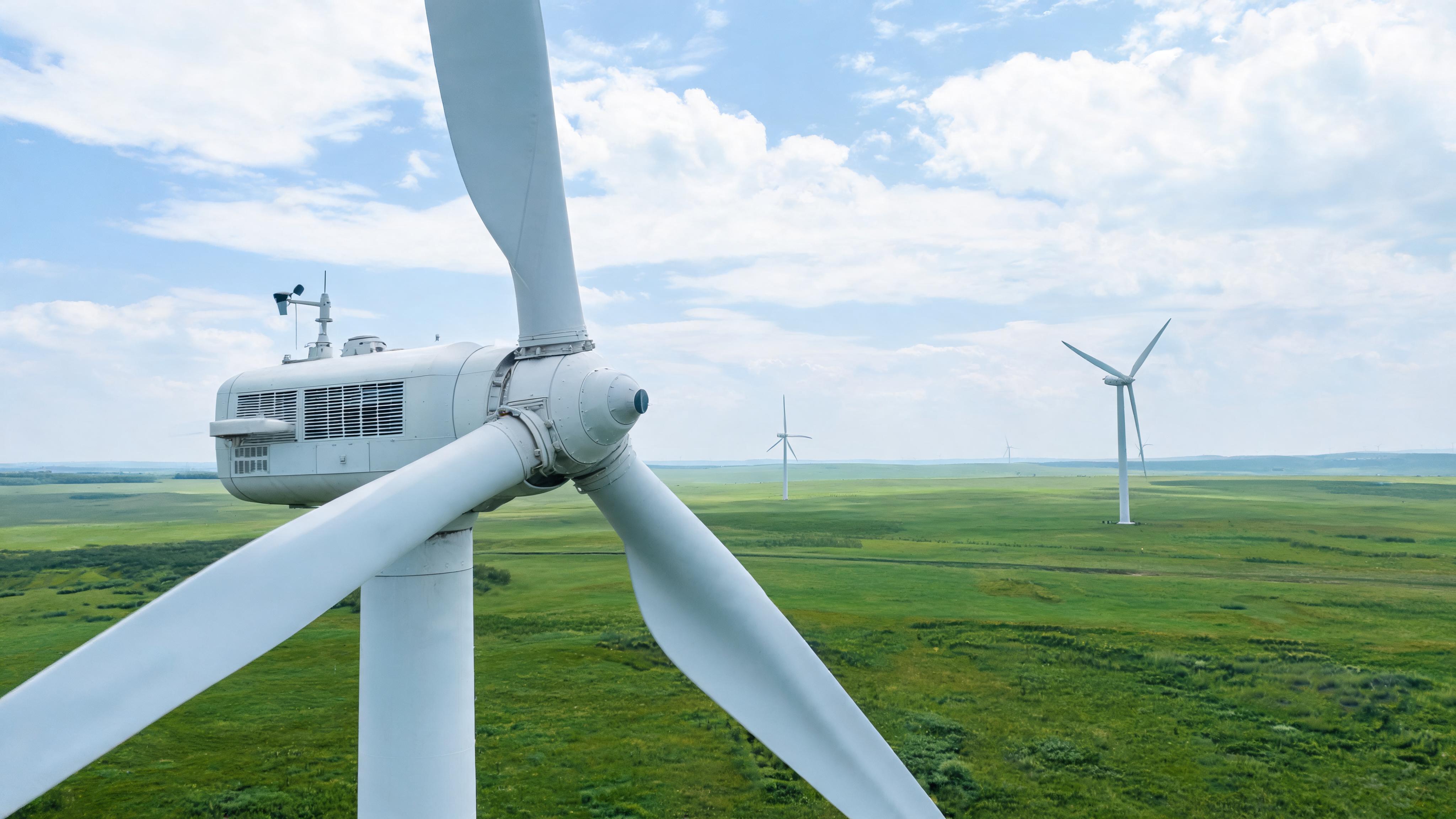
- New Energy Sector: In wind power conversion, solar inverters, hydrogen electrolyzer power supplies, and energy storage conversion systems, high-frequency, high-efficiency VFD technology is key.
- High-End Manufacturing: Serving new energy vehicle production lines, semiconductor manufacturing, and industrial robots places stringent demands on VFDs for precise control, high dynamic response, and low harmonic interference.
- Green Infrastructure: In smart building HVAC, municipal water supply and wastewater treatment, and data center cooling systems, VFDs are central to achieving on-demand energy supply and optimizing overall energy efficiency (e.g., lowering PUE values).
- Extreme Environment Operations: Such as Antarctic research stations and deep-sea mining equipment, require VFDs to possess极强的 environmental adaptability and reliability.
In summary, 2026 VFD technology is developing comprehensively towards hardware efficiency optimization, control intelligence, system networking, and design flexibility. It has evolved from a "limb" executing speed control commands into an "industrial smart officer" with perception, analysis, and decision-making capabilities, becoming an indispensable cornerstone for driving the green transformation and intelligent upgrade of the manufacturing industry.