Generative AI and Industrial Integration in 2026: Application Prospects Across Various Sectors
With the acceleration of technological iteration, generative artificial intelligence is gradually penetrating the industrial domain, bringing transformative opportunities to various industries. This article anticipates the application prospects of generative AI in industrial scenarios by 2026.
Manufacturing Industry: Intelligent Design and Production Optimization
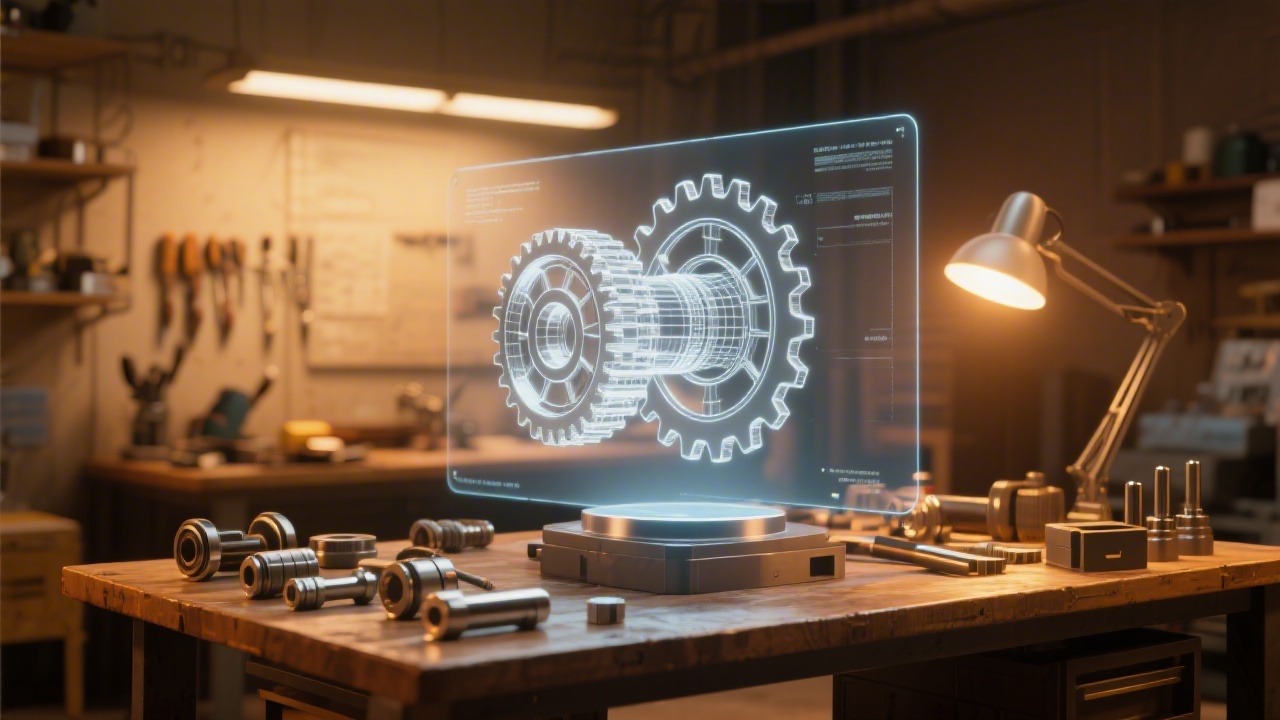
Generative AI can generate equipment maintenance plans by analyzing historical data, predicting component wear cycles. One enterprise utilized AI to generate customized product design drafts, shortening the development cycle by approximately 30%.
Healthcare: Pharmaceutical Development and Diagnostic Assistance
In the medical field, AI models can simulate molecular structures to generate new compound design schemes, accelerating targeted drug development. Diagnostic assistance systems generate image analysis reports, helping doctors quickly identify pathologies.
Automotive Industry: Autonomous Driving and Supply Chain Management
Autonomous driving systems improve algorithm robustness by generating extreme scenario simulation data. In supply chain management, AI generates dynamic inventory allocation solutions based on real-time demand, reducing storage costs.

Energy Sector: Grid Optimization and Fault Prediction
Generative AI can simulate grid load variations, generating optimal energy distribution strategies. By learning from equipment operational data, the system can generate fault warning reports 14 days in advance.
It is worth noting that technology implementation requires balancing data security with innovation efficiency. Establishing a standardized ethical framework will be a key industry focus in 2026.